Why Electronics Recycling Helps Reduce E-Waste
The Ultimate Guide to E-Waste Recycling: Why It Matters and How to Get Started
E-waste recycling stands as a vital but commonly disregarded element of modern environmental responsibility. With technology evolving rapidly, millions of tons of electronic waste accumulate each year, posing significant environmental risks. Grasping the complexities of e-waste disposal enables people to make well-informed decisions. This resource not only details efficient recycling methods but also examines the wider consequences for both the environment and economy. The path to accountable e-waste management starts with several key actions.
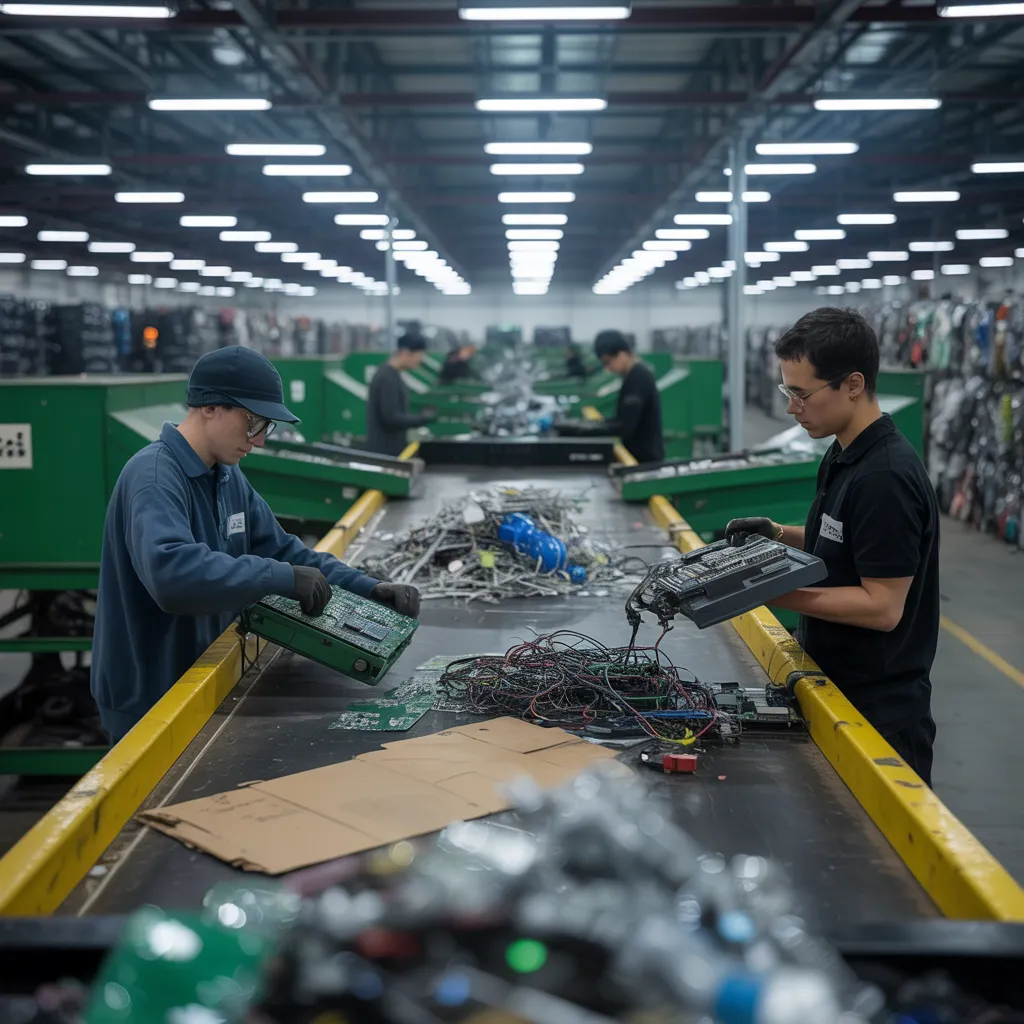
Everything You Should Know About E-Waste
E-waste, also referred to as electronic waste, describes abandoned electrical and electronic devices, and recognizing its significance is crucial in today's technology-driven world. Technological progress has led to a substantial rise in the production of e-waste, with vast quantities measured in millions of tons created every year. Such waste frequently harbors dangerous substances including lead, mercury, and cadmium, posing serious environmental and health risks if not managed properly.
Furthermore, valuable resources like gold, copper, and rare earth metals are embedded in these electronic devices, which can be extracted through recycling processes. However, a considerable amount of electronic waste is discarded in landfills, aggravating pollution and resource depletion. Educating people about appropriate waste disposal techniques and the value of recycling can reduce these concerns, supporting a more environmentally responsible approach to technology consumption. Grasping electronic waste is vital to fostering accountable habits and advancing successful recycling programs within local communities.
Getting Started with E-Waste Recycling
Taking the initiative to recycle electronic waste can greatly impact the environment as well as personal accountability. To start, people should evaluate their old or non-functioning electronics, categorizing items such as smartphones, laptops, and printers. This step helps in understanding the volume of e-waste that needs addressing. Additionally, looking into local recycling initiatives is essential. Many communities offer designated drop-off locations or special collection events for e-waste.
Users ought to educate themselves about which items are recyclable and which are not, as guidelines vary by location. Upon finding the right recycling options, packing the items securely for transport protects the items and limits potential harm. Lastly, one should monitor the recycling process, verifying that certified recyclers manage the e-waste. By taking these initial steps, people help build a greener tomorrow while handling their electronic waste with care.
The Ecological Effects of E-Waste Recycling
Despite being frequently ignored, the environmental impact of e-waste recycling is substantial and extensive. Appropriate recycling of electronic waste aids in preventing hazardous materials, such as lead, cadmium, and mercury, from tainting soil and water resources. These harmful compounds can result in significant health dangers for both humans and wildlife. By recycling, valuable resources like gold, copper, and silver are extracted, minimizing the reliance on mining and diminishing the overall carbon impact connected to the extraction of resources.
Moreover, responsible e-waste recycling decreases landfill usage, where decomposing electronics release harmful chemicals. It nurtures a circular economy by encouraging eco-friendly practices, motivating manufacturers to create products that prioritize recyclability. In addition, recycling supports the reduction of greenhouse gas emissions by limiting energy consumption versus creating new materials. Overall, the environmental benefits of e-waste recycling underscore its critical role in promoting a healthier planet and ensuring responsible management of electronic resources.
Economic Benefits of E-Waste Recycling
E-waste recycling presents significant economic advantages, particularly through employment generation and material recovery. Through the development of recycling centers, neighborhoods can produce meaningful work prospects while advancing environmentally responsible methods. Moreover, recovering valuable materials from electronic waste decreases reliance on fresh raw material extraction, leading to considerable cost savings.
Job Development Opportunities
Processing e-waste not only tackles environmental issues but also acts as a driving force for employment growth. The e-waste recycling industry generates a variety of employment opportunities, ranging from collection and sorting to processing and refurbishing electronic devices. As interest in environmentally responsible approaches rises, this field is broadening its scope, demanding expert workers in technology, engineering, and distribution. Regional economies gain advantages as employment opportunities frequently emerge in communities with elevated joblessness, promoting neighborhood advancement. Additionally, organizations participating in e-waste management can inspire technological advancement and business development, supporting a resource-efficient economy. By supporting e-waste efforts, governing bodies and enterprises not only champion environmental responsibility but also bolster economic stability through valuable work opportunities.
Resource Recovery Savings
The e-waste recycling industry not only produces job opportunities but also delivers substantial financial benefits via resource recovery efficiencies. By reclaiming valuable materials such as gold, silver, and copper from discarded electronics, recycling reduces the demand for raw resource extraction, which tends to be both costly and ecologically destructive. This process lowers production costs for manufacturers, ultimately leading to reduced prices for consumers. Furthermore, the energy conservation benefits of recycling e-waste can be significant, lowering operational expenditures for businesses and boosting overall economic efficiency. Beyond this, as worldwide demand for electronic products keeps growing, efficient resource recovery from e-waste becomes increasingly essential for sustaining supply chains and enhancing economic resilience. Therefore, electronic waste recycling represents a wise investment for both economic and environmental well-being.
How to Recycle Your Old Electronics
Wondering where to dispose of outdated electronics responsibly? Numerous options exist for recycling old devices, ensuring both environmental protection and resource recovery. Community recycling hubs commonly welcome numerous types of electronic devices, like desktop computers, smartphones, and TV sets. Numerous local governments additionally organize regular electronic waste collection drives, offering an easy and accessible method for community members to dispose of electronics responsibly.
Well-known retailers including Best Buy and Staples offer take-back programs, permitting shoppers to hand in their outdated electronics when acquiring new products. Some manufacturers provide mail-in recycling programs, making it possible for users to mail their obsolete gadgets directly to specified collection facilities. Non-profit entities can also receive contributions of operational electronic devices, extending their lifespan while supporting community initiatives.
Busting Popular Myths Surrounding E-Waste Recycling
Although many people believe that e-waste recycling is ineffective, the reality is that well-organized initiatives can considerably reduce environmental harm. A common misconception is that e-waste winds up in landfills regardless of recycling efforts. In truth, established recycling centers recover useful resources and responsibly eliminate hazardous components.
One popular myth states that electronic recycling is overly complex or expensive. However, numerous local initiatives provide free drop-off locations, ensuring accessibility for all individuals. Many also offer handy pickup services.
Additionally, certain individuals assume that every piece of e-waste is recyclable, Go here but certain items are not eligible for recycling because of the particular materials they contain. Knowing your local recycling rules is key.
Finally, many believe that e-waste recycling has no impact on job creation. In fact, the recycling industry creates thousands of livelihoods, benefiting the economy while supporting environmental sustainability. By addressing these misconceptions, people can take informed action about e-waste recycling.
Common Questions and Answers
Is It Possible to Recycle Batteries With My E-Waste?
Batteries should not be recycled with e-waste. They must be handled separately because of the hazardous materials they contain. Proper disposal options include specific recycling centers or collection events designed for batteries, ensuring safe and environmentally friendly processing.
What Occurs to My Data During the Recycling Process?
Throughout the recycling process, information stored on electronic devices may be at risk without proper erasure. Reputable recycling facilities use specialized methods to confirm thorough data removal, safeguarding personal information from unauthorized recovery or exploitation.
Are E-Waste Recycling Practices Governed by Law?
E-waste disposal is regulated by various laws and regulations that differ by region and country. Such regulations are designed to promote safe disposal, safeguard the environment, and manage hazardous materials effectively throughout the recycling process.
Do You Have to Pay Fees for Recycling Electronics?
Several electronics recycling facilities could impose fees for processing certain items, particularly for certain types like TVs or monitors. Even so, certain locations provide no-cost recycling, generally backed by programs run by manufacturers or local programs advocating for responsible disposal.
What Are the Ways to Promote E-Waste Recycling in My Community?
To promote e-waste recycling throughout the community, community members can organize informational campaigns, work alongside local businesses for drop-off events, and leverage social media to share valuable information about environmental advantages and correct disposal techniques.